Gluteoplasty · A personalized clinical pathway

Patient Selection for Gluteal Myomodulation®

Anatomy defines suitability. Individual goals guide the plan.

Choosing a patient for gluteal Myomodulation® starts with understanding the contour that already exists and the specific change the patient wants.

This assessment connects muscular architecture, tissue quality and personal proportions to a realistic reshaping objective.

01
Individual requestThe change that matters to the patient.
02
Anatomical assessmentThe structures behind the contour.
03
Clinical suitabilityThe conditions needed to consider treatment.
04
Shared decisionA defined plan with understood limits.
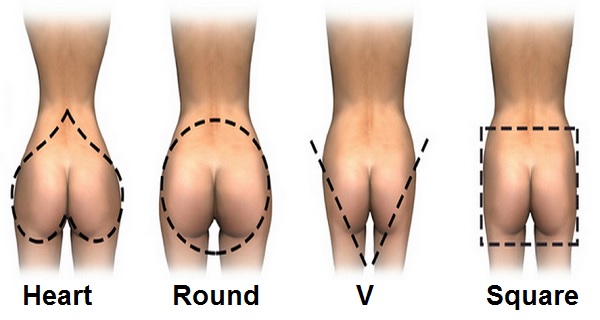
Illustration of four gluteal contour patterns: heart, round, V and square
Illustrative contour patterns. Individual anatomy and the patient’s objective guide the assessment.

The consultation · Four essential questions

Patient Selection in 30 Seconds

A concise overview before exploring the full assessment.

01

What is the request?

Identify one main contour objective and the feature the patient wishes to preserve.

02

What explains it?

Determine whether the concern is predominantly muscular, cutaneous, adipose or related to a previous procedure.

03

Is treatment appropriate?

Check clinical history, tissue condition and whether Myomodulation® can reasonably address the concern.

04

What is the decision?

Consider treatment, postpone the decision, or recommend a more appropriate pathway.

The request · Define the desired change

Start with the Patient’s Own Objective

A useful consultation turns a broad wish into a specific, discussable contour objective.

A

Identify the priority

Ask the patient to describe and indicate the feature that bothers them: vertical elongation, limited projection, an uneven outline or imbalance with the waist and thighs.

B

Describe what to preserve

Record the features the patient values, such as their existing width, muscular character, natural folds or overall size. These are part of the plan.

C

Clarify the scale of change

Discuss whether the desired difference is subtle refinement or a substantial transformation. Reference photographs can support conversation, but do not establish an achievable result.

Consultation outcome: record one primary objective, any secondary request, and the anatomical features that should remain recognizable.

Anatomical assessment · Find the main contributor

Identify What Shapes the Existing Contour

The same visible concern may arise from different tissues. Selection depends on identifying what would actually need to change.

01

Muscular architecture

Assess development, distribution and the contour expressed by the gluteal musculature. A muscular contour concern provides a reason to explore the Myomodulation® pathway.

02

Adipose distribution

Evaluate the covering fat and neighboring deposits. A thick adipose layer can obscure the muscular outline; Myomodulation® should not be presented as fat removal.

03

Skin and support

Look for excess skin, laxity, scars and the relationship of the lower fold to the thigh. A muscular approach cannot be assumed to resolve substantial redundant skin.

Include the surrounding silhouette: pelvic proportions, lumbar contour and thigh transitions help explain the apparent shape. A request to change bony proportions needs a different discussion.

Illustration of different body silhouettes and body composition
Illustration of body-composition differences. Assess muscle, adipose tissue and skin separately during clinical selection.

Dynamic examination · Compare reproducible views

Assess the Contour at Rest and in Contraction

Static photographs describe appearance. A dynamic examination adds information about how the contour changes with muscular activation.

01

At rest

Observe the patient standing naturally. Compare lower folds, lateral contours and the location of the most prominent area without deliberately altering posture.

02

During contraction

Repeat the observation during a consistent voluntary contraction. Record changes in symmetry, contour definition and any localized depression.

03

From several views

Use posterior, profile and oblique views under comparable conditions. Note symptoms, movement limitations or an unexpected finding that requires separate investigation.

Photographic discipline: changes in stance, camera angle, distance, lighting or contraction can produce an apparent contour difference. Keep these conditions consistent at follow-up.

Posterior view illustrating muscular relief and standing posture
Illustration of muscular relief in a standing posture. Clinical assessment should compare rest and voluntary contraction under consistent photographic conditions.

Myomodulation® planning · A spatial framework

Translate the Objective into Three Dimensions

Once the anatomical contributor is identified, describe the intended change in terms of length, width and posterior projection.

L

Length

Describe the vertical extent of the gluteal contour and any desired shortening. Distinguish this from simply raising every part of the buttock.

W

Width

Specify whether transverse proportions should be preserved or selectively modified. Relate the request to pelvic architecture and the lateral thigh transition.

H

Projection

Assess both posterior prominence and the position of the area of maximal projection. More prominent and differently positioned are separate objectives.

Isovolumetric planning principle: the intended strategy is to reshape the existing muscular contour without using added bulk as the main solution. This is a planning concept; a photograph alone does not measure total tissue volume.

Study the dimensions and procedural boundaries in Fundamental Basics →

Personal morphology · Choose the intended silhouette

Different Contour Goals, Different Planning

Masculine contour preservation, feminine contour refinement and an explicitly requested feminization are distinct planning objectives.

01

Preserving a masculine contour

Discuss the existing lateral proportions, muscular definition and lower gluteal transition. Avoid importing a feminine contour objective into a patient who wishes to retain masculine architecture.

02

Refining a feminine contour

Define the desired relationship between the waist, lateral fullness and posterior contour. Tightening and a fuller outline are different requests, even within the same anatomical group.

03

An expressed feminization goal

Discuss the softer or rounder contour the patient specifically seeks. This is an individualized pathway and should not be inferred from sex, identity or sexual orientation.

Muscular development · Assess the starting structure

Athletic and Non-Athletic Patients

Sporting activity provides context. The examination determines the muscular development and the contour available for reshaping.

01

Developed muscular contour

An athletic patient may already have substantial muscular fullness. Clarify whether the concern is excessive vertical length, asymmetry or how the existing projection is distributed. Additional size may not be the desired change.

02

Less developed muscular contour

Assess whether the visible limitation comes from muscular development, tissue coverage or skeletal proportions. A reshaping request must be distinguished from the expectation of creating substantial new muscle mass.

Training history: document recent changes in exercise, injuries, anabolic agents and other performance-related substances. Discuss any functional complaint before treating an aesthetic concern.

Tissue context · Evaluate the present condition

Age, Tissue Quality and Weight History

Chronological age provides background. Skin redundancy, tissue distribution and recent weight changes are more directly relevant to the contour examination.

01

Current tissue quality

Assess laxity, fold definition, scars and coverage of the muscular contour. Describe which feature is potentially muscular and which belongs to the skin envelope.

02

Weight trajectory

Record significant weight loss or gain and whether further change is planned. A changing body contour makes the target and its evaluation less stable.

03

Major tissue excess

After substantial weight loss, redundant skin may dominate the concern. Discuss whether a surgical assessment is more appropriate before considering muscular refinement.

Individual assessment: avoid assigning treatment needs by generation or age label. This page addresses adult aesthetic assessment; requests involving minors require a separate, appropriately governed clinical pathway.

Aesthetic dialogue · Understand the patient’s visual references

Personal Preferences, Culture and Clothing

Cultural references and clothing can help patients describe an aesthetic preference. They do not establish a treatment indication.

01

Ask rather than assume

Discuss preferences for compactness, softness, lateral fullness and the lower contour. Let the patient explain which features matter, regardless of ethnic background or identity.

02

Use clothing as a reference

Jeans, pocket placement, fabric and garment cut can change how the silhouette appears. Separate the fit of the garment from the anatomical feature the patient wants to change.

03

Respect private context

Personal or intimate motivations can be discussed confidentially when relevant to the patient’s request. Neither occupation nor sexual orientation is a substitute for an anatomical assessment.

Follow-up principle: a change in fashion does not by itself justify another procedure. Reassessment should relate to the patient’s current anatomy, clinical context and agreed objective.

Clinical screening · Establish the full treatment context

Medical History and Previous Procedures

A contour that looks straightforward may have a complex treatment history. Obtain the relevant details before making a procedural decision.

01

Health and medicines

Review relevant medical conditions, prescribed medicines, supplements, pregnancy or breastfeeding, bleeding concerns and allergies. Check the actual formulation and materials proposed for treatment.

02

Previous interventions

Ask about gluteal implants, fat transfer, fillers, permanent injected materials, threads, scars and previous muscular treatments. Record the material, location, date and any available procedure report.

03

Current tissue concerns

Investigate pain, redness, warmth, lumps, discharge, persistent swelling or altered sensation. Missing records or an uncertain injected material may require further specialist assessment.

Secondary cases are not routine primary cases: the treating physician determines whether records, imaging or specialist advice are needed. A previous procedure does not automatically make Myomodulation® appropriate.

Suitability decision · Proceed only with a coherent indication

When to Defer or Choose Another Approach

Patient selection includes deciding that treatment should wait or that the requested change requires a different approach.

01

Defer and investigate

Active local infection or unexplained tissue changes need assessment first. Pregnancy or breastfeeding calls for postponing elective aesthetic treatment. An unclear previous injection history should be clarified.

02

Reconsider the expected benefit

Substantial fat coverage, redundant skin, a request for major volume addition or an implant-related problem may fall outside a muscular reshaping objective. Discuss the contributor that needs to be addressed.

03

Protect an informed choice

Consider whether the request is voluntary and expectations are achievable. Severe appearance-related distress or an inability to understand the proposed plan may warrant additional support or assessment.

Safety review: check the specific contraindications for the technique, formulation and materials. Aesthetic preference never overrides a clinical exclusion.

Decision synthesis · Bring the assessment together

Clinical Selection Matrix

Use this qualitative matrix to summarize the consultation. It is not a validated eligibility score or an automatic treatment recommendation.

Presenting situationDecision focusPossible pathway
Predominantly muscular contour concernSuitable tissue conditions and a defined, proportionate targetConsider Myomodulation® assessment
Developed musculature with an elongated outlineDetermine the intended redistribution and features to preserveAssess a contour-refinement pathway
Substantial fat coverage or excess skinClarify whether the dominant concern is adipose or cutaneousDiscuss another approach or sequence
Previous procedure or uncertain injected materialObtain records and investigate the tissue contextResolve uncertainty before a decision
Active infection or unexplained tissue symptomsComplete appropriate clinical investigationDefer elective contour treatment
Major augmentation request or unresolved expectationsExplain the scope of muscular reshaping and alternativesReconsider treatment suitability

Document the decision: note the main anatomical contributor, the intended objective, any unresolved issue and the reason for the selected pathway.

Shared decision · Define how the result will be evaluated

Agree on the Plan and Document the Baseline

A treatment plan becomes useful when the patient and physician understand the objective, its limits and the follow-up process.

01

Confirm the agreed target

Describe the specific area and direction of the desired change. Record what will be preserved and which concerns are outside the proposed treatment.

02

Discuss benefits and risks

Explain the proposed procedure, possible adverse effects, alternatives, costs and the option of no treatment. Allow questions and time for reflection before consent.

03

Record the baseline

Obtain standardized photographs and relevant examination findings. Keep clinical photography consent separate from permission for educational or public use.

04

Plan reassessment

Specify follow-up and how concerns will be reported. Evaluate the agreed contour and patient experience; avoid judging an enduring result from an immediate image alone.

Individual treatment course: timing and any further session depend on the assessment and observed response. There is no universal schedule promised by this page.

Patient selection · Practical answers

Frequently Asked Questions

Questions that help clarify the assessment before a treatment decision.

Can a photograph establish whether I am a suitable candidate?

A photograph can support an initial discussion. Suitability also requires clinical history, examination and assessment of the tissues and any previous procedures.

Is there a BMI value that automatically qualifies or excludes a patient?

This page does not prescribe a universal BMI cutoff. The physician assesses overall health, adipose coverage, tissue quality and whether a muscular change would meaningfully address the concern.

Can two apparently similar patients receive different plans?

Yes. Similar outlines may arise from different tissue contributors. The intended silhouette, dynamic examination and procedural history can also lead to different decisions.

Can Myomodulation® reproduce the exact shape of a reference photograph?

A reference image helps explain a preference. Pelvic structure, muscular architecture and tissue distribution limit what can be achieved; exact reproduction should not be promised.

Does a previous gluteal implant make Myomodulation® suitable?

An implant history requires a specific assessment. Position, coverage, symptoms and prior complications must be considered before deciding whether any additional treatment is appropriate.

Will the assessment include a fixed injection protocol?

The assessment defines suitability and the contour objective. The procedural plan is established separately by a physician trained in the technique and adapted to the individual clinical findings.

What if the physician recommends no treatment?

The physician should explain the reason, discuss appropriate alternatives when available and allow the patient to consider a second opinion. A decision to defer is part of responsible patient selection.

Clinical resources · Professional education

Continue the Clinical Pathway

Move from selection to the resources most relevant to the patient’s anatomical situation and the physician’s training needs.


For physicians: develop the assessment before the procedure

Hands-on education connects patient selection, dynamic examination and anatomical planning with supervised procedural learning.


Educational content on gluteal Myomodulation®. Individual suitability, the procedural plan and follow-up are determined by the treating physician after clinical assessment.

patients-selection

Gender,Ethny,Fashion,Sport,Sexual Orientation,Sexual Activity,Age

Patients Selection

BButt are different in function of 

  • gender
  • ethny
  • fashion
  • sexual orientation
  • sexual activity
  • if the patient is sporty or not
different butt in function of gender

Male and Female Butt are so different

Gender

  • The bottom of the pockets of a male jeans get under the infragluteal fold.
  • The bottom of the pockets of a female jeans is always above the infragluteal fold.
different butt in function of age

Age matter for the choice of butts

Age

  • Teens
  • Millenium
  • Generation Z
  • Mature
  • Middle Age
  • Old Generation
latino female butt

Latino & North African Female Butt are different from White Female Ones .

Ethny

  • White Females do prefer a tighten butt
  • Latino Females prefer a ,, latino,, butt with enlargement of the width,lateral external convexity and more projection
  • North African Females prefer a latino butt with enlargement of the intergluteal fold
fashion female jeans

Patient get the butt in function of their jeans

Fashion

  • Patient investing in fashion jeans will get an attractive butt 
  • Those wearing cheap basic jeans wont be so attractive
  • Also during aging and as fashion changes each 6 months , patients should make a new endopeel procedure each 6 months.
sexual orientation

Top and Bottom Male Gays

Sexual Orientation

  • Top Male Gays prefer closed intergluteal area
  • Bottom Male Gays may prefer opened intergluteal area
  • but the majority of male gays prefer closed intergluteal area 
prostitute

Sexual Activity

Most Escort Girls are asking 

  • to open the intergluteal fold widely
  • to project their butt 
  • to lift the infragluteal fold

To appear as professional call girls and to be more attractive for their clients.

sporty male butt

Butt from soccers need a 3D isovolumetric reshaping

Sportsmen

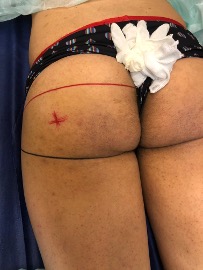
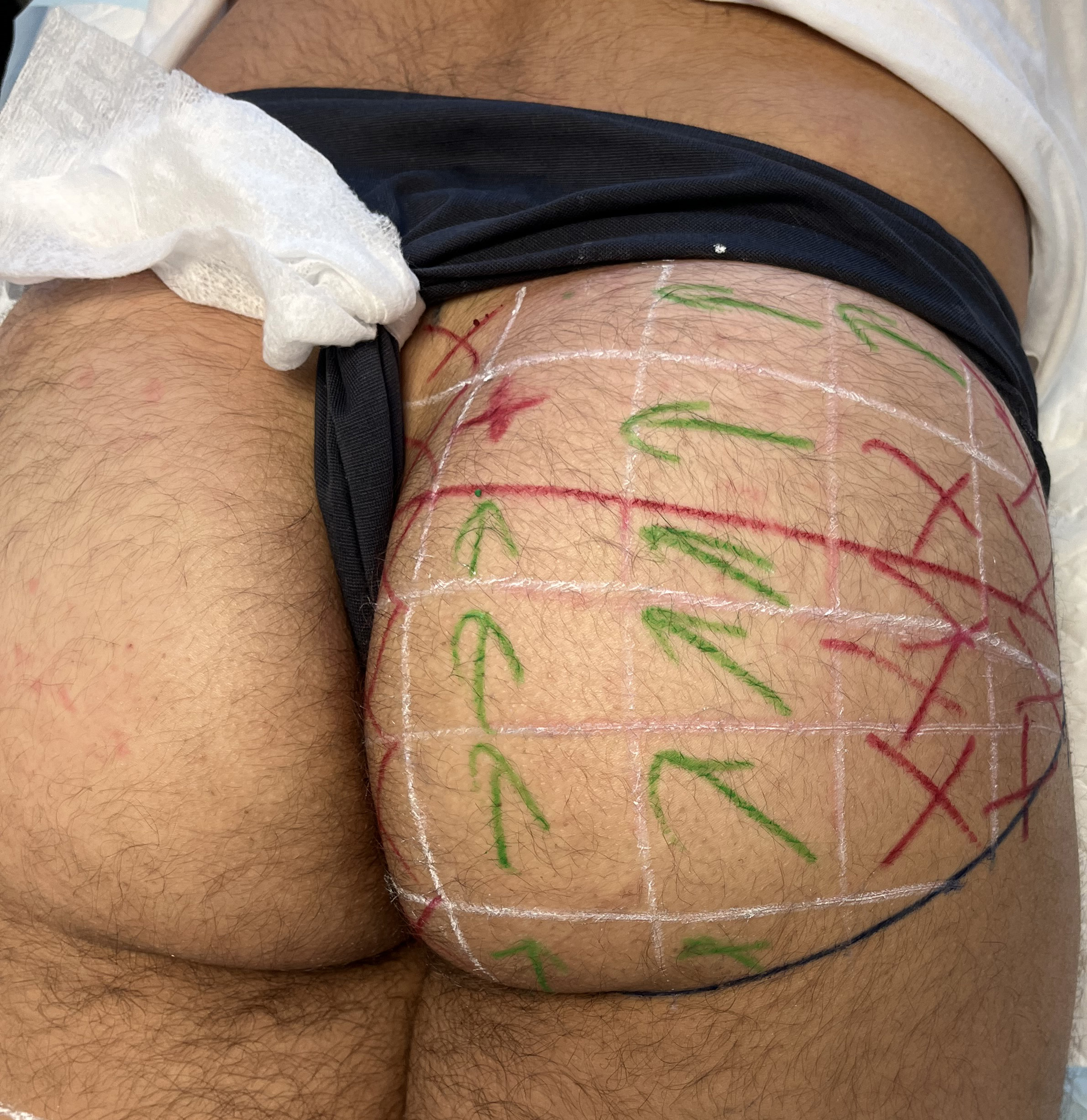
Soccer Men as they run so much , have a thin body with falling butt . This explains too the oblique stretch marks seen on their butts skin.

These sportsmen are asking as seen on the picture to lift and reshape their butt.

Got Questions?

Please contact us, if you have doubts or need any additional information.

This email address is being protected from spambots. You need JavaScript enabled to view it. |